



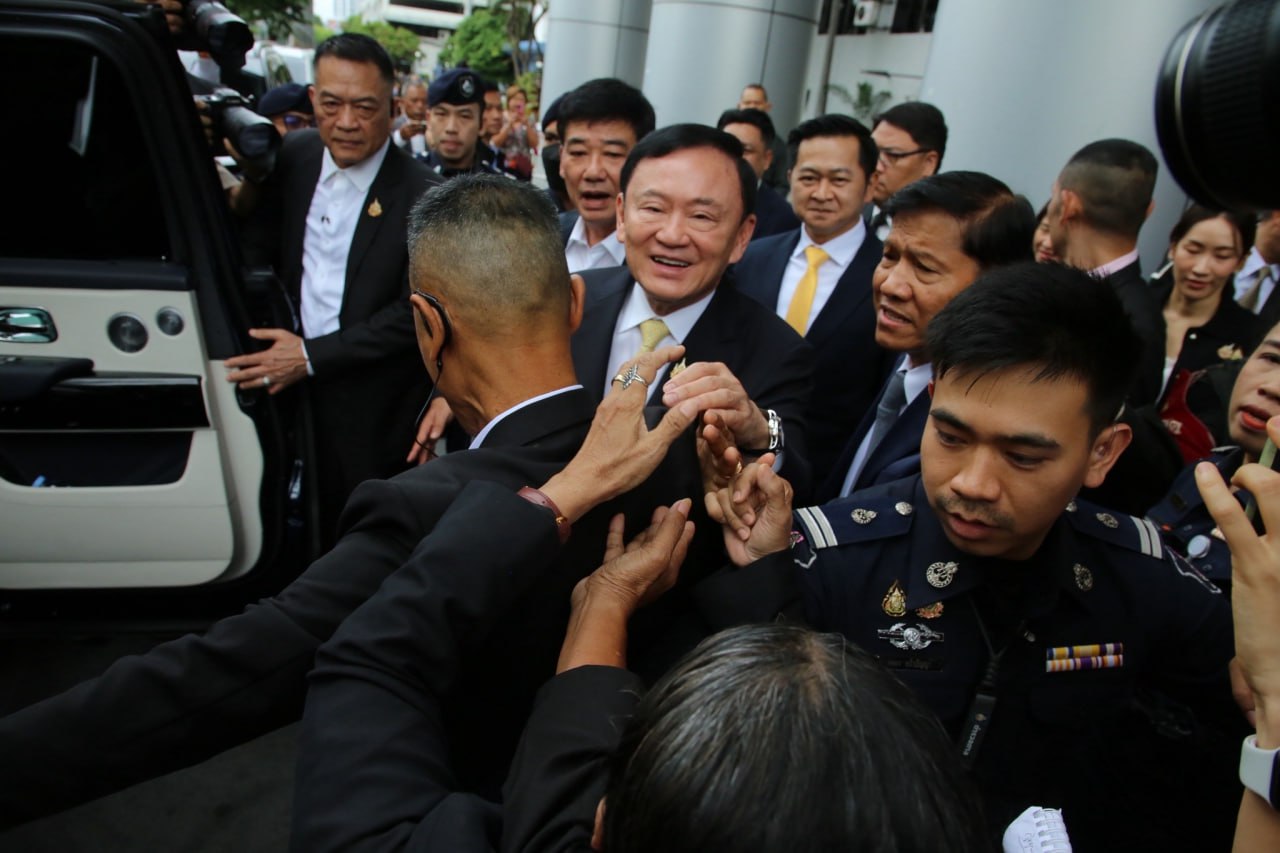
Breaking: Thai court acquits former Prime Minister Thaksin Shinawatra of lèse-majesté charges linked to a 2015 interview.








BANGKOK, Aug 22 — A Thai criminal court on Thursday acquitted former Prime Minister Thaksin Shinawatra of lèse-majesté charges stemming from remarks he made in a 2015 interview with a South Korean newspaper.
The court ruled that Thaksin’s comments about the 2014 military coup, which removed his sister Yingluck Shinawatra from power, did not amount to an insult against the monarchy. Prosecutors had argued that the interview violated Thailand’s lèse-majesté law, one of the world’s strictest, which carries penalties of up to 15 years in prison per offense.
The acquittal marks a significant legal victory for Thaksin, who returned to Thailand in 2023 after years of self-exile. He continues to play a powerful role in Thai politics despite previous convictions and ongoing legal challenges.
Human rights groups have long criticized Thailand’s lèse-majesté law, saying it is used to silence dissent. Thai authorities defend the law as necessary to protect the monarchy.
Related News